Showing posts with label activity. Show all posts

Tuesday, 23 November 2021

National Kinesiology Week


The Exercise Specialist (kinesiologist) at the Leduc Beaumont Devon Primary Care Network can help you with cardiorespiratory health, cognitive capacities including mental health, ergonomics, functional abilities, weight gain and obesity, and safe return to sport. To access their services, ask your family doctor for a referral. 

https://lbdpcn.com/programs-2/team-based-care-program/

Monday, 15 November 2021

November is Diabetes Awareness Month

Diabetes and the Effectiveness of Regular Physical Activity


Regular physical activity is very beneficial to those living with diabetes. The short-term benefits of increasing physical activity are: 
  • Lowers your blood glucose within one hour.
  • Increases your energy and strength during the day
  • Decreases stress, anxiety and fatigue
  • Improves relaxation and sleep
  • Improves overall well being    

The long-term benefits if activity is sustained: 
  •  Improved blood glucose (sugar) control
  •  Helps with maintaining weight management when healthy eating is involved.
  •  Lowered blood pressure
  •  Stronger bones and muscles
  •  Lower risk of diabetes complications such as eye, heart, and kidney disease
  •  Improved quality of life

One of the most effective aerobic activities with the lowest dropout rate is walking. It can be as simple as going for a brisk walk in your neighbourhood. Here is a sample walking program for your use.                                                                                                
Both aerobic and resistance exercises are important when it comes to decreasing the risk of developing or advancing Type 2 Diabetes as both help to improve the body’s insulin sensitivity. 

Make sure to interrupt sitting at least every 30 minutes by getting up and walking, standing or stretching.

High Intensity Interval Training (HIIT) is a very effective form of exercise at a higher intensity for shorter durations, as an option for those who are able to tolerate it. 

Tracking your activity/steps throughout the day is another way of monitoring the amount of time you are active and for some, it is a strategy for reducing sitting time by staying accountable.

Canadian Diabetes Association information: 
  • Low physical fitness is as strong a risk factor for mortality as smoking.
  • Higher levels of physical activity and fitness level is one of the strongest predictors of all-cause mortality in people with diabetes.
  • Physical activity can be as powerful as glucose-lowering medication… with fewer side effects.
  • Regular physical activity, in conjunction with healthy eating and weight control, can reduce type 2 diabetes incidence by 60 percent.

     If you require help with getting started on an exercise or physical activity plan, ask your family doctor for a referral to the Exercise Specialist at the Leduc Beaumont Devon Primary Care Network.

Monday, 25 January 2021

Consistancy in exercise is key - but how do we get there?

Motivation Monday! Today our Exercise Specialist provides pointers and tips on how to succeed with your healthy living and activity goals by building momentum. Consistency is key! Click the image below to check it out.

Subscribe to our YouTube Channel to receive Adrien's updates!

Tuesday, 17 November 2020

November is Fall Prevention Month

Every year, 1 in 3 Alberta seniors will fall.

Take action to reduce your risk.

Falls are the leading cause of injury among older adults. The older we get, the greater the risk of falling becomes. Our bodies naturally change with age, and these changes affect the way we feel, move, and behave. 


  • Older adults with muscle weakness are 4-5 times more likely to fall.
  • Try to do 30 minutes or more of physical activity at least 5 days each week.
  • Walking, dancing, Tai Chi, and cross-country skiing are a few great ways to be active.

A fall can have a devastating and lasting impact on an individual resulting in injury, chronic pain and a reduced quality of life. Even without an injury, a fall can cause a loss in confidence and a reduction in activities for older adults.


  • Older adults with low vision are 2.5 times more likely to fall.
  • A comprehensive eye exam will test your vision and look for issues like glaucoma and cataracts.
  • Alberta Health Care covers the cost of eye exams for adults 65 and older.

Some medications can also put you at risk of a fall.


  • Seniors taking more than 3 - 4 medications are at a higher risk of falls.
  • Some prescriptions, over-the-counter medications, vitamins, and herbal supplements can increase your risk of falling.
These actions can help you prevent a fall and stay independent:
  • Learn more about how to lower your fall risk to prevent yourself from falling or falling again.
  • Talk with a physiotherapist to get the best walking aid for your needs.
  • Exercise to improve your strength and balance.
  • Talk with a physiotherapist or our PCN Exercise Specialist about exercise to improve your balance.
  • Talk to your health care provider if you are worried about falling, especially if it stops you from being active.
  • Do 30 minutes of physical activity five days a week strengthening your muscles can reduce your risk of falling - our PCN Exercise Specialist can provide guidance and exercise routines.
  • Keep active to improve strength and balance. 
  • Talk with your doctor or health care provider about managing the need to rush to the toilet. Rushing could increase your risk of a fall. 
  • Talk to your podiatrist or doctor if you have numbness in your feet; numbness can cause a fall.
  • Review your medications, vitamins, and supplements with your pharmacist or doctor yearly or if  your prescription changes or new medications are added. 
  • Talk to your doctor or pharmacist about medication side effects or causes of light-headedness. Sometimes an adjustment of dosage or type of medication can help.
  • Are you sad or have concerns about anxiety or depression? Talk to your health care provider or doctor about how you are feeling.
  • Visit an eye doctor yearly to check your eye health. Poor vision or a change in vision can increase the risk of a fall.
  • Wear proper shoes, especially outside. Take extra care when walking on snow or ice-covered sidewalks or parking lots. Learn the "Penguin Walk".

Take this online assessment quiz to see if you are at risk of a fall.

Health care providers can print paper copies of this quiz, here.

Learn more at https://www.fallpreventionmonth.ca/

Wednesday, 28 October 2020

Overview of the 24-hour Movement Guidelines for people ages 18-64 from the Leduc Beaumont Devon PCN Exercise Specialist

 24-hour Movement Guidelines for people ages 18-64: An integration of physical activity, sedentary behaviour and sleep.

As an exercise physiologist who practices in the field of chronic disease management, I often have conversations with patients about increasing daily physical activity. Although beneficial overall, and depending on the individual, simply adding some physical activity to their day is not enough to truly produce the ideal level of heathy change for that person. These guidelines created by the Canadian Society of Exercise Physiology (CSEP) are now available to help provide specifics to answer that question for patients.

The guidelines themselves can be broken down to a few specific categories to ensure a “healthy 24 hours”. These include physical activity, sleep, and sedentary behaviours, or time spend inactive or sitting.

Physical Activity

Beginning with physical activity, the recommendations continue to include 150 minutes of moderate to vigorous aerobic physical activity added up throughout your week as well as muscle strengthening exercises for your major muscle groups two times per week. It is important to keep in mind these recommendations are for an individual that does not have any medical conditions or disabilities that would prevent their ability to reach these activities levels. If an individual is not able to reach these guidelines from a medical standpoint, they should consult with their health care team to determine appropriate levels of physical activity. This also includes several ours of light physical activity such as standing, which I will speak more on later.

Sleep

The 24-hour Movement Guidelines recommends 7-9 hours of sleep, which includes regular wake and sleep cycles. This continues to follow the current guidelines and remains the gold standard for sleep goals.

Sedentary Behaviour

This is the time spent being inactive such as sitting at a desk, watching TV or sitting in front of a screen. CSEP currently recommends limiting sedentary behaviour to 8 hours or less per day with goals of less than 3 hours of screen time a day, and breaking up long periods of sedentary positions as much as possible; I always tell my patients to try not to sit for more than an hour at a time.

It is important to discuss how people can implement these guidelines and why the recommendations are what they are. Sleep is self explanatory, but I believe these guidelines truly shine when reviewing the recommendations for physical activity and sedentary behaviour.

The get the biggest benefit from the guidelines, people should try and create a goal of turning more sedentary time into beneficial light activities such as standing, walking, moving, and progressing times you may be performing these light activities into more moderate of vigorous activities. Progressing these activities in your day increases the amount of time you spend moving each day, the calories that you burn, and helps your body adapt to being more physically active. When progressing sedentary time to light activity times such as standing, it helps increase what is called NEAT which stands for Non-Exercise Activity Thermogenesis, NEAT is defined as the energy spent for everything we do that is not sleeping, eating or sports-like exercise. It ranges from the energy spent walking to work, typing on a computer, performing yard work, doing yard work or gardening, and even fidgeting. The more you can move outside of planned times for physical activity, the higher your NEAT and the more calories you will burn and the greater, overall likelihood of positive health outcomes.

It is important to realize these are 24-hour movement guidelines and not physical activity guidelines. These new guidelines help to promote a greater range of activities per day, while emphasizing sleep and reducing sedentary behaviour and continuing to support the previous physical activity guidelines as provided by CSEP.

~ Adrien DeGroot BHK, CSEP-CEP, R.Kin, CSEP - High Performance Specialist, is an Exercise Specialist at the Leduc Beaumont Devon Primary Care Network. To access his services, please ask your PCN family doctor for a referral.

To view and participate in Adrien's at-home workouts, please check out our LBD PCN YouTube channel.


Tuesday, 16 June 2020

Help with sciatic nerve pain

Leduc Beaumont Devon Primary Care Network Exercise Specialist Adrien shows you some stretches and exercises for those with sciatic nerve pain, also called sciatica. You will need a chair and a stool or step for this activity. Coach Luna keeps an eye on Adrien and approves of his techniques.

Watch the video by clicking the image, below.


If you are new to physical activity, if you are returning to physical activity after injury or illness, or if you have a medical condition that might make physical activity difficult, please consult with your family doctor before starting a physical activity program. Adrien also suggests that if you are at risk of falls, please have someone present with you while you do the falls prevention exercises.

If you have questions for Adrien, please add a comment on our YouTube channel. Also, please subscribe to our channel so you can get notification as Adrien adds more videos.

Tuesday, 19 May 2020

Stand Up To Falls exercise video

Our Exercise Specialist Adrien starts the week with the first of four in his Stand Up To Falls series. Each week, Adrien will share a progressive video that he has built from his falls prevention program. Stand Up To Falls Week 1 video

Wednesday, 27 November 2019

November is Diabetes Awareness Month

Diabetes and the Effectiveness of Regular Physical Activity


Regular physical activity is very beneficial to those living with diabetes. The short-term benefits of increasing physical activity are: 
  • Lowers your blood glucose within one hour.
  • Increases your energy and strength during the day
  • Decreases stress, anxiety and fatigue
  • Improves relaxation and sleep
  • Improves overall well being    

The long-term benefits if activity is sustained: 
  •  Improved blood glucose (sugar) control
  •  Helps with maintaining weight management when healthy eating is involved.
  •  Lowered blood pressure
  •  Stronger bones and muscles
  •  Lower risk of diabetes complications such as eye, heart, and kidney disease
  •  Improved quality of life

One of the most effective aerobic activities with the lowest dropout rate is walking. It can be as simple as going for a brisk walk in your neighborhood.  Here is an example of a walking plan if you are just starting out:   

Sample Walking Plan                                                                                                                                                                                                                                                                       
Both aerobic and resistance exercises are important when it comes to decreasing the risk of developing or advancing Type 2 Diabetes as both help to improve the body’s insulin sensitivity. 

Make sure to interrupt sitting at least every 30 minutes by getting up and walking, standing or stretching.

High Intensity Interval Training (HIIT) is a very effective form of exercise at a higher intensity for shorter durations, as an option for those who are able to tolerate. 

Tracking your activity/steps throughout the day is another way of monitoring the amount of time you are active and for some it is a strategy for reducing sitting time by staying accountable.

Canadian Diabetes Association information: 
  • Low physical fitness is as strong a risk factor for mortality as smoking.
  • Higher levels of physical activity and fitness level is one of the strongest predictors of all-cause mortality in people with diabetes.
  • Physical activity can be as powerful as glucose-lowering medication… with fewer side effects.
  • Regular physical activity, in conjunction with healthy eating and weight control, can reduce type 2 diabetes incidence by 60 per cent.

      If you require help with getting started on an exercise or physical activity plan, ask your family doctor for a referral to the Exercise Specialist at the Leduc Beaumont Devon Primary Care Network.

Tuesday, 7 May 2019

Local support for those with osteoarthritis

Seven years ago, Pat Elmes was living in constant pain. Osteoarthritis (OA) had taken hold of the joints in both hips. According to the Arthritis Society, osteoarthritis is a progressing disease of the joint that breaks down cartilage and can affect the joint capsule, ligaments and underlying bone.  It can cause pain and swelling in the affected joint.  It used to be referred to as the "wear and tear disease" however this led people to believe they should not be physically active.  It is beneficial to keep active as the cartilage needs moderate load through physical activity in order to regenerate itself.  There is no cure for OA; managing the symptoms and improving function is achievable through neuromuscular strengthening and proper loading activities.

Pat's pain was so severe, she could only walk very short distances by using a cane; simple, everyday chores like getting groceries was a task that her husband had to take over as Pat was no longer able to walk around the store. In her own words, Pat said she felt like an "invalid" and her husband had to take care of her. It was not the life she expected. Pat eventually had both hips replaced through invasive surgeries.

"The GLA:D program has changed my whole way of life."

Within a few years, Pat's knee was struck by OA as well; she is now facing yet another surgery. As part of the preparation, her family doctor referred her to the Leduc Beaumont Devon Primary Care Network (PCN) to see a registered dietitian. During their initial appointment in December, the dietitian recommended Pat enter an 8-week program that was new to the PCN called GLA:D Canada, which is based on the successful GLA:D (Good Life with osteoArthritis in Denmark) program and focuses on education and exercise for knee and hip OA. GLA:D is an 8-week education and exercise program for those with osteoarthritis of the knees and/or hips. Taught by the PCN Exercise Specialist and held at the Leduc Recreation Centre, the program is open to anyone who has an LBD PCN family physician and is accessed through a referral. There is a nominal fee to attend. During the 8-week program, participants will learn about osteoarthritis, the risk factors and symptoms, treatments available and how to manage symptoms.  They will learn strategies on how to cope with the difficulties of living with osteoarthritis. Participants will then be led through twice-weekly exercise sessions where they will learn how to control movements through proper alignment and build muscle strength around the joints through neuromuscular exercise.  There are specific stations they will work through to increase function, strength, mobility and core strength.  Most patients will see an improvement in at least mobility and/or strength and an improved quality of life after completing the 8-week program.

"I want all the doctors and surgeons to know about this program."

The program was starting in January and Pat was accepted as a participant in the first group. Through the program, which is facilitated by the LBD PCN exercise specialist, Corinne, Pat and the other participants were provided with group education on OA along with going through the specific exercise stations. The program works on building the muscle up to support the joint and working on building core strength for improved posture and alignment, all essential to improved function and mobility. After living with the pain of OA for year, Pat thought that sounded too good to be true but this past week, she came to the LRC to talk to the second group of GLA:D participants about the "tremendous difference" the program has made in her life. "The education part is huge, to understand why this works really resonated with me. I couldn't believe exercise could do this."

"The GLA:D program has changed my whole way of life," Pat told the group during one of their education sessions. Pat enthusiastically demonstrated how fast she can walk now, without a cane and without pain. Prior to the GLA:D program, Pat said her daily pain level was around a 5 or 6, depending on the day. Now she says she's between 0-3, depending on how much exercise she's done. "I cannot believe attending the GLA:D program is not a requirement before having surgery," she says, astonished.

When Pat had her hip surgeries, she was recommended to see a physiotherapist at the hip and knee clinic in Edmonton but the long drive into the city (Pat lives in Leduc County) made it hard to go. "There, they always told me to 'walk through the pain', but that's not possible! The physiotherapist there is not nearly as knowledgeable as Corinne," Pat says, referring to the specialized education the PCN exercise specialist has obtained through GLA:D training. "Having this program offered locally is fabulous."

Through partnership with the LRC, the PCN exercise specialist offers the educations sessions in one of the LRC meeting rooms and then takes the participants through the exercise stations.  A bonus to being at the LRC is being able to use the equipment in the fitness centre as well as use of the indoor walking track. The LRC recently decided to offer free access to the facility to those 60 years of age and over on weekday afternoons, which makes continuing attending the gym for Pat and other GLA:D participants a non-issue.

Pat was excited to tell the group, "I tell no less than 100 people a day about this program. I want all the doctors and surgeons to know about this program."


Pat speaks with the newest intake of GLA:D participants about her experience while PCN Exercise Specialist, Corinne Cutler, looks on. 


If you would like to be referred to the GLA:D Canada program, please talk to your PCN family doctor.


Candra Tinis
Communications Lead
Leduc Beaumont Devon Primary Care Network

Tuesday, 20 November 2018

Diabetes and the Effectiveness of Regular Physical Activity

November is Diabetes Awareness Month


Diabetes and the Effectiveness of Regular Physical Activity


Regular physical activity is very beneficial to those living with diabetes. The short-term benefits of increasing physical activity are: 
  • Lowers your blood glucose within one hour.
  • Increases your energy and strength during the day
  • Decreases stress, anxiety and fatigue
  • Improves relaxation and sleep
  • Improves overall well being    


The long-term benefits if activity is sustained: 
  •  Improved blood glucose (sugar) control
  •  Helps with maintaining weight management when healthy eating is involved.
  •  Lowered blood pressure
  •  Stronger bones and muscles
  •  Lower risk of diabetes complications such as eye, heart, and kidney disease
  •  Improved quality of life


One of the most effective aerobic activities with the lowest dropout rate is walking. It can be as simple as going for a brisk walk in your neighborhood.  Here is an example of a walking plan if you are just starting out:   

Sample Walking Plan                                                                                                                                                                                                                                                                       
Both aerobic and resistance exercises are important when it comes to decreasing the risk of developing or advancing Type 2 Diabetes as both help to improve the body’s insulin sensitivity. 

Make sure to interrupt sitting at least every 30 minutes by getting up and walking, standing or stretching.

High Intensity Interval Training (HIIT) is a very effective form of exercise at a higher intensity for shorter durations, as an option for those who are able to tolerate. 

Tracking your activity/steps throughout the day is another way of monitoring the amount of time you are active and for some it is a strategy for reducing sitting time by staying accountable.

Canadian Diabetes Association information: 
  • Low physical fitness is as strong a risk factor for mortality as smoking.
  • Higher levels of physical activity and fitness level is one of the strongest predictors of all-cause mortality in people with diabetes.
  • Physical activity can be as powerful as glucose-lowering medication… with fewer side effects.
  • Regular physical activity, in conjunction with healthy eating and weight control, can reduce type 2 diabetes incidence by 60 per cent.

 
If you require help with getting started on an exercise or physical activity plan, ask your family doctor for a referral to the Exercise Specialist at the Leduc Beaumont Devon Primary Care Network.  


Tuesday, 4 September 2018

Fall 2018 Health Education Classes now available!

Our Fall 2018 health education classes and workshops are now available for registration!
Register online at www.lbdpcn.com or call our office at 780-986-6624.


Tuesday, 11 April 2017

It's almost time to GOGA!

Primary Care Networks (PCNs) would like to invite you to participate in our 4th annual Get Out, Get Active (GOGA) Challenge. GOGA is a free six-week event running from April 24 to June 4, 2017 that is open to everyone, no matter your age, fitness level or ability. This year we are offering participants a “virtual health Challenge” and invite everyone to discover the benefits of physical activity in a brand-new way!  The 2017 GOGA Challenge will virtually demonstrate how physical activity has a positive impact on your body. We want to inspire everyone to learn and experience why physical activity is so important for their health and quality of life. AND, there are fantastic prizes to be won!


Join our LBD PCN GOGA team buy visiting the website, here.


Wednesday, 5 April 2017

Barriers to physical activity

We know there are many barriers that keep people from being physically active and we have some helpful tips for breaking through those barriers:


Thanks to our PCN Exercise Specialist, Corinne Cutler, for this handout.


Tuesday, 15 November 2016

November is Diabetes Awareness Month - Exercise

Diabetes and the Effectiveness of Regular Physical Activity 

The short-term benefits of increasing physical activity for a person with diabetes:

• Lowers your blood glucose within one hour.
• Increases your energy and strength during the day
• Decreases stress, anxiety and fatigue
• Improves relaxation and sleep
• Improves overall well being

The long-term benefits if activity is sustained:

• Improved blood glucose (sugar) control.
• Helps to maintain or lose weight.
• Lowered blood pressure.
• Stronger bones and muscles.
• Lower risk of diabetes complications such as eye, heart, and kidney disease.
• Improved quality of life.

One of the most effective aerobic activities with the lowest dropout rate is walking.  It can be as simple as going for a brisk walk in your neighborhood.  Click here for an example of a walking plan if you are just starting out. Feel free to print it for your own use or share it with others.

Both aerobic and resistance exercises are important when it comes to decreasing the risk of developing or advancing Type 2 Diabetes as both help to improve the bodies insulin sensitivity.    

The following facts were taken from the Canadian Diabetes Association website:

• Low physical fitness is as strong a risk factor for mortality as smoking.
• Fitness level is one of the strongest predictors of all-cause mortality in people with diabetes.
• Physical activity can be as powerful as glucose-lowering medication… with fewer side effects.
• Regular physical activity, in conjunction with healthy eating and weight control, can reduce type 2 diabetes incidence by 60 per cent.

If you require help with getting started on an exercise or activity plan, ask your PCN family doctor for a referral to the Exercise Specialist on the SMILE team.    

Corinne Cutler is an Exercise Specialist at the Leduc Beaumont Devon Primary Care Network.

Friday, 7 October 2016

CALLING ALL COUCH POTATOES


Tell me this; are you happy with how you feel?  Are you satisfied with your health and feel you are getting the most out of life? Really? Then why are you reading a health blog?

I'm going to guess that, like me, you have had health challenges in your life. You would like to feel better, but don't know where to start. Maybe you feel isolated and alone. You have been to the doctor but he or she can't seem to help.

Let me tell you, I know exactly how you feel. Not only have I been there with my own health, but as a doctor I have spent 16 years trying to tell people how to be healthier, with little success. I see a constant parade of patients that have chronic illnesses for which medication does little to no good, but lifestyle changes seem to be impossible for people to follow. 

A few months ago, I read a CNN article on the Walk with a Doc program. This is a program started by Dr. David Sabgir, a cardiologist in Ohio. He was also frustrated in his inability to change his patient's behavior. He invited them to go for a walk with him in the park and to his surprise, over 100 took him up on it. He has now been walking with his patients for 1 hour every week for 10 years. Each walk is accompanied by a short discussion of a health topic.

This program intrigued me. A one-hour walk a week may not seem like enough to make a major difference in health, and it probably isn't. But this program brings together people with similar challenges, and similar goals. It provides a community where people can learn about health and interact with health professionals as peers in a non-threatening, non-judgmental, and health-promoting way. It can help kick-start them adopting a healthy, active life.  If we all have the same goal of feeling better, we can encourage and mentor each other toward better health.

I have experienced this first hand. Twelve years ago, I was sedentary, overweight, stressed, and tired. Over the next number of years, I changed the way I lived life, choosing a more active lifestyle, to the great benefit of my physical and mental health. Along the way, friends who were making the same changes in their own lives were great support to me, as I probably was to them. The shared journey was fun and rewarding.

I am hoping that this is what the Walk with a Doc program can do for people in the Leduc area. Every Thursday evening, we will meet at the Leduc Recreation Center, for a brief (5-20 minutes) health discussion and then a 1-hour walk, where the conversation can continue. On good weather days, the walk will be outside. On bad weather days, the walk will start inside on the walking track and then anyone who is brave enough can continue outside with me, as I always prefer outside to inside, regardless of the weather. The program is free, has no age restrictions and is open to anyone who can walk (or wheelchair, or otherwise propel themselves forward) and wants better health.

The first date is set for October 20, at 7 p.m. Please meet me in the Vantage Room at the Leduc Recreation Centre were I will talk about my own personal journey to health. After that, we will go for a walk outside on the trails around the LRC. Please join me, invite your friends and family!  Let's get healthier and happier together. 


Dr. Trevor Byers  


Tuesday, 27 September 2016

IWALK, Why Not You?


Getting kids more active on a regular basis is very important for their overall health.  The Canadian Physical Activity Guidelines for children ages 5 up to 17 years says children should be getting at least 60 minutes of moderate to vigorous-intensity physical activity daily. This should include vigorous-intensity activities and strength activities at least 3 days per week. 

As a result of technological advances, activity in daily life is decreasing at a substantial rate. Modern conveniences such as drive thru’s, remote controls, video games and electronic devices are all contributing to increasing sedentary lifestyles. However, as parents we can set a good example for sustaining an activity lifelong. Help promote physical activity into your children’s lives by taking part in the IWALK international walk to school week in October 2016 with the International Walk To School Day on October 5, 2016.  


There are many resources available for researching safe routes and tips on dressing properly for our unpredictable weather. Seize the opportunity to increase your own physical activity by taking part in the IWALK challenge with your children and walk with them to school or play with them in the park after school, if that is available for you. For more information, check the IWALK website.

Join the Walk To School Week to help promote overall health and well being! Not only can it make a lasting effect on children’s future habits it can also help with reducing traffic congestion at schools therefore promote student safety. 


Getting your children to walk or bike to school can be a very important step in getting them into the habit of being active on a daily basis. Also, if the parents are able to take part it serves as setting good examples for healthier living. 


Corinne Cutler is an Exercise Specialist at the Leduc Beaumont Devon Primary Care Network. For a list of available classes, please see our website. 

Tuesday, 19 July 2016

Exercise in the Park


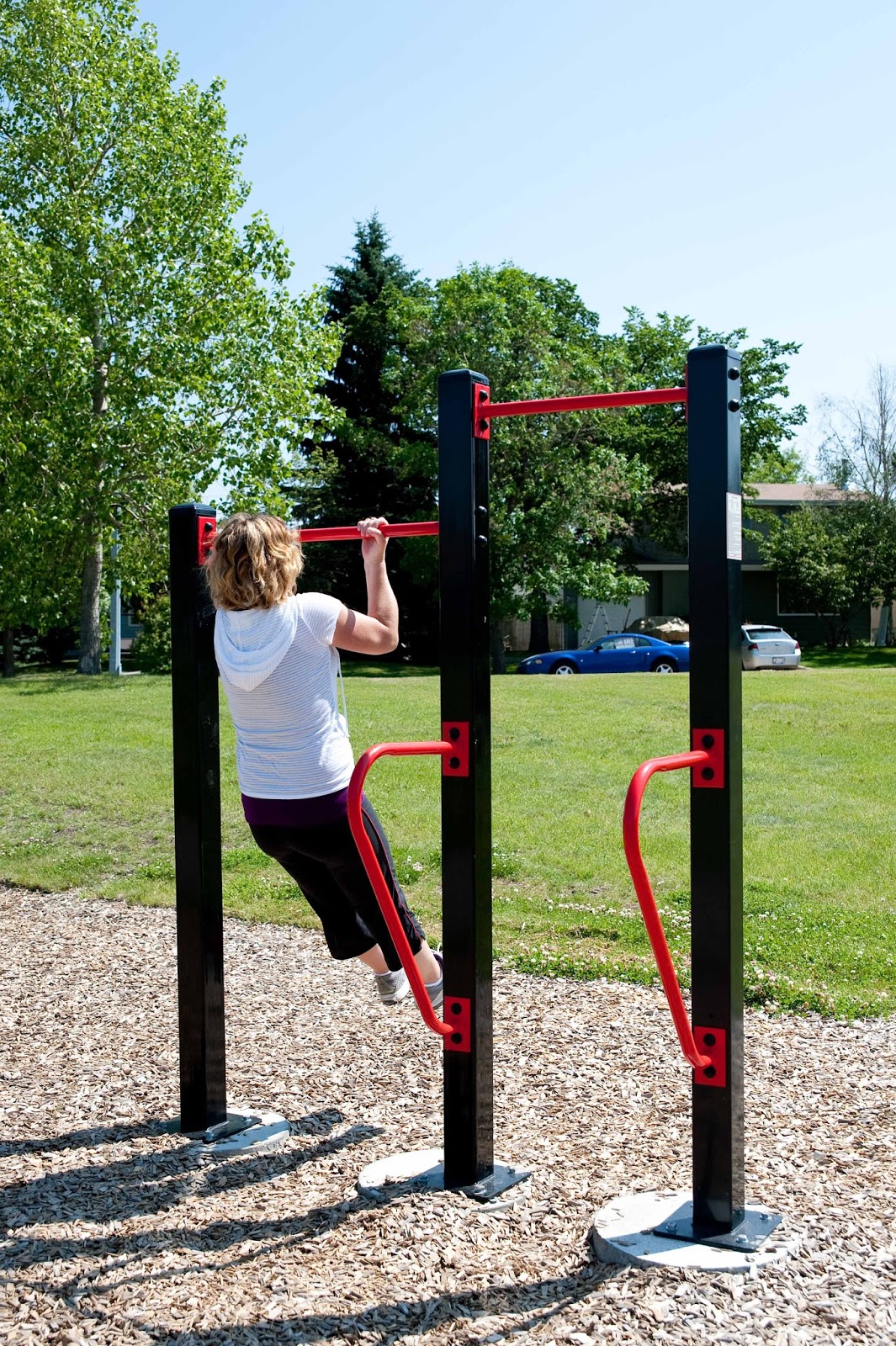
Are you looking for opportunities to get more active outside? Did you know that Leduc has an outdoor gym with several pieces of equipment that is FREE to use? This equipment is located at Kinsmen Park (50 Corinthia Drive), west of Leduc Composite High School. If the equipment is not your thing, bring a yoga mat and an activity ball to your favourite outside location and do some gentle stretches and poses or try the tennis courts or walking track.

The LBD PCN also offers a free group walking session on Tuesdays at 4pm around Alexandra Park. Register online: http://lbdpcn.com/Pages/Events.aspx


Leduc Composite High School is located in the top right area of the picture. The walking track is the purple oval and the tennis courts can be seen in the lower left area beside the walking track. The outdoor equipment is located directly south of the tennis courts. Click here for a Google Map of Kinsmen Park.


Corinne Cutler is the Exercise Specialist at the Leduc Beaumont Devon Primary Care Network.

Tuesday, 14 June 2016

June is Stroke Awareness Month

Exercise and Stroke Correlation

One of the main risk factors for having a stroke is having unmanaged high blood pressure. One of the benefits of being physically active (at least 150 minutes per week) on a regular basis is lowering blood pressure. There is a correlation between staying active and reducing your risk of  a stroke.

Regular exercise helps keep arteries elastic (flexible), even in older people. This, in turn, ensures good blood flow and normal blood pressure. Sedentary people (those who do not engage in regular physical activity) have a 35% greater risk of developing high blood pressure than those who are physically active.

When people suffer from a stroke, it is usually recommended to take part in a rehabilitation program involving regular exercise sessions. This helps in recovery and can help prevent another stroke from happening.

Activity such as walking, bending and stretching are forms of exercise that can help strengthen your body and keep it flexible. Mild exercise, which should be done every day, can take the form of a short walk or a simple activity like sweeping the floor. Stretching exercises, such as extending the arms or bending the torso, should be done regularly. Moving weakened or paralyzed body parts can be done while seated or lying down. Swimming is another beneficial exercise if the pool is accessible and a helper is available. 

Fatigue while exercising is to be expected. You can modify these programs to accommodate for fatigue or other conditions. Avoid overexertion and pain.

Simple stretching routines can be very effective in post stroke rehabilitation in order to improve range of motion. Regular strength and balance exercises help with bone strength and health are very beneficial.  Keeping a strong core is important in order to maintain balance and promote an upright posture.


If you are not exercising regularly you should consider getting started. Any amount of increased activity is a positive change  and will start providing health benefits immediately. 


Corinne Cutler is an Exercise Specialist at the Leduc Beaumont Devon Primary Care Network.